

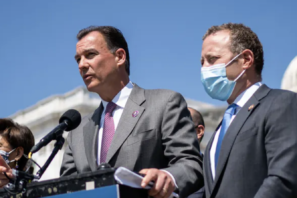
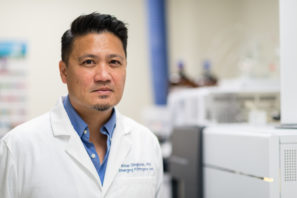
The question kept coming up: Why are some countries in the grip of COVID-19 while others appear less affected?
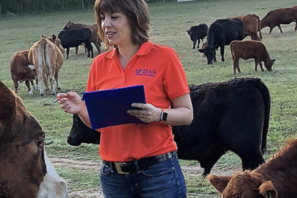
For a century, researchers have tracked genetic traits to find out which cattle produce more and better milk and meat. Now, two University of Florida scientists will use artificial intelligence to analyze millions of bits of genetic data to try to keep cattle cooler and thus, more productive.
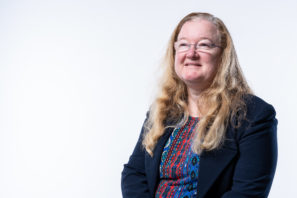
It’s a pandemic seemingly without end. The latest coronavirus variant is fueling a surge in cases while Americans worry about ever-more infectious versions to come. The daily news is filled with talk of sickness, overburdened health care providers and the struggle to mask and vaccinate a nation. It’s a recipe for a mental health crisis.

pay for lending a helping hand. A couple days later, red patches appeared on his forearms and chest, which soon began to itch miserably and form water blisters. If you have ever spent any time outdoors – in the woods, working in the yard, even at the edges of a playground – maybe you’ve experienced something similar after encountering poison ivy. It’s not easy to forget.

A new study found that 35% of all COVID-19 infections are asymptomatic. Children are most likely to lack symptoms, while the elderly are least likely.
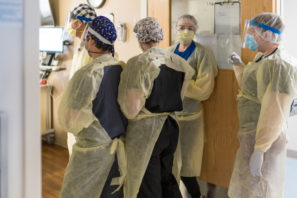
Convalescent plasma does not effectively prevent the progression of COVID-19 from a mild to severe form of the disease in high-risk patients, according to the results of a national clinical trial that involved University of Florida Health.
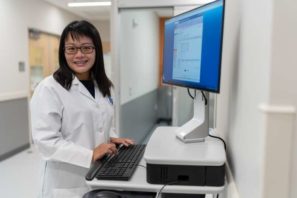
University of Florida researchers are developing a new artificial intelligence tool that will help clinicians identify high-risk patients for opioid use disorder and overdose.

On a hot, muggy morning in July 2020, University of Florida President Kent Fuchs announced an astonishing $70 million public-private partnership between UF and NVIDIA, thus making artificial intelligence (AI) the centerpiece of a major, long-term initiative combining world-class research infrastructure, cutting-edge analysis and a revolutionary approach to curriculum.
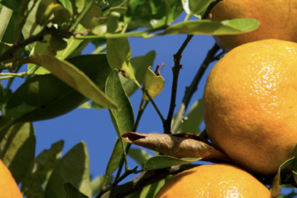
University of Florida researchers are using artificial intelligence to help citrus growers better forecast their seasonal production. So far, they’ve found in a preliminary study that their technology predicts yields with 98% accuracy.
Meanwhile, an internal report by the Centers for Disease Control and Prevention concluded the delta variant is as contagious as chickenpox and more transmissible than the viruses that cause seasonal flu, the common cold and Ebola.
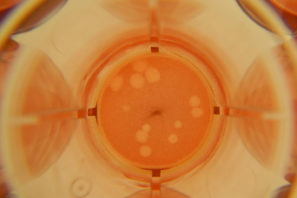
A team of UF researchers has identified dozens of novel therapeutic targets for the development of antiviral therapies against COVID-19 and other coronaviruses that infect people.