“It’s probably going to just continue to rise exponentially for a couple of weeks,” said Ira Longini, co-director of the Center for Statistics and Quantitative Infectious Diseases at the Emerging Pathogens Institute of the University of Florida.
As several shots hurtle toward the finish line, scientists worry about more than a few unknowns.
UF scientist says drastic shifts in behavior appear to be having an effect in the pandemic, though they say the death toll will continue to mount and caution against drawing any sweeping conclusions.
Infectious disease specialist and physician Kartikeya Cherabuddi, who has treated COVID-19 patients, explains what medical doctors monitor and how they treat patients, from the early days after an infection and the critical days that follow.
UF experts discuss how to engage with older friends and family members during the coronavirus crisis while still adhering to social distancing recommendations.
"There’s a lot that we don’t know, but we’re trying to get that information and see if it can inform policy as we move ahead," Lauzardo said.
The current crisis highlights the critical need for the federal government to approve and begin manufacturing oxygen therapeutics, said Bruce Spiess.
When the virus that causes COVID-19 enters the body, it hijacks cellular proteins and suppresses the human inflammatory response, allowing...
SARS-CoV-2 Spike Protein Licensed by Oragenics from the NIH Demonstrates Protective Immunity in Mice
Data supports the Company’s approach to COVID-19 vaccine development.
State economies continue to reopen, and experts are working to provide the best information on what to expect.
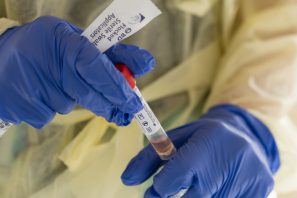
"The most important question we're trying to determine is how any people have the virus but are showing no symptoms at all," Dr. Michael Lauzardo, an infectious disease specialist at the University of Florida said.