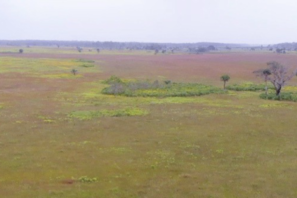
A University of Florida scientist is leading a project to develop a tool — based on data from satellites — that ranchers can use to improve their pasture and grazing management.
A tastier strawberry may come from a computer. New University of Florida research shows artificial intelligence can help scientists breed more flavor into the fruit.
Pam Soltis has spent her adult life studying the Earth’s living things, first from the perspective of plants and in recent years on a broader scale as she and her husband, Doug, have worked to create a “Tree of Life” that organizes and illustrates how all living things interact.
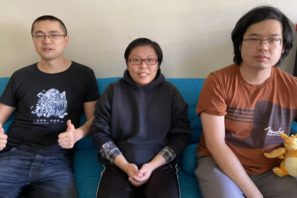
Wei Zhai and his team received a $10,000 year-long Microsoft AI for Earth grant, offering him access to imperative computational resources such as Azure Machine Learning, Virtual Machine and App Service and Storage.
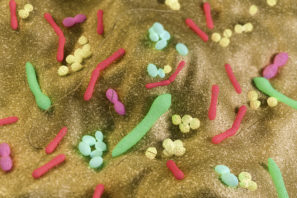
To solve the elusive medical mystery of why many adults have both high blood pressure and depression, University of Florida Health researchers took a long, in-depth look at one suspected culprit: gut bacteria.
Since its foundation in 1960, the International Society of Nephrology has encouraged global networking, building partnerships within the nephrology community and organizations with aligned missions to combat non-communicable diseases.
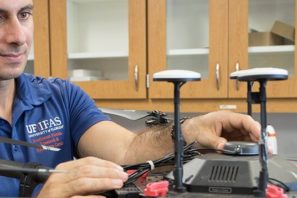
UF/IFAS scientists are using AI to help solve chronic diseases, working with UF Health researchers. They’re also using drones to find diseased plants in large fields.