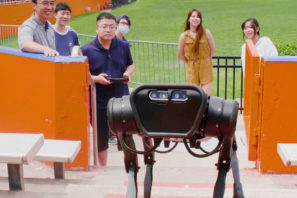
A University of Florida research team is working on a robot dog that has the ability to enter an enclosed space, scan it, and provide humans with a visual of what’s inside, an application that could lessen dangerous situations for first responders.
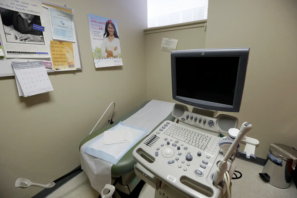
The U.S. Supreme Court will hear a case challenging a Mississippi state law that bans most abortions after 15 weeks of pregnancy, much earlier than the 24-week threshold generally established by the pivotal abortion rights case Roe v. Wade in 1973.
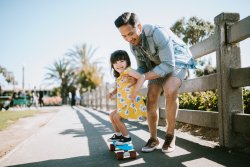
Despite pandemic complications, 30% of travelers would consider cruising next year, a survey from the University of Florida shows, with fans of cruising even more willing to get onboard.
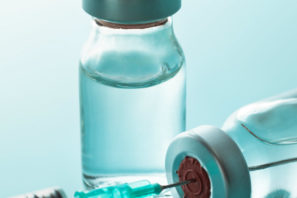
The race to defeat the novel coronavirus took a major leap forward last week when the Food and Drug Administration and the Centers for Disease Control and Prevention authorized the use of the Pfizer COVID-19 vaccine in children 12 to 15 years old.
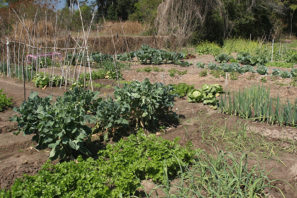
Small-scale grower operations have their advantages despite being challenged by access to large markets and limits on resources. In urban and rural environments, challenges that emerged from COVID-19 brought small-scale farms to light.
Recent work contributed to by UF mathematician Burton Singer seeks to estimate how COVID-19 vaccination campaigns will affect the future trajectory of the pandemic in the US.
The growing technological sophistication of smartphones has transformed them from merely communication devices to essential companions that we interact with throughout the day.
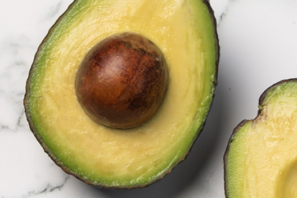
If you have ever brought home seemingly fresh produce from the grocery store only to find it wilted and moldering a few days later, Tie Liu feels your pain. “Everybody has this problem: Which of these vegetables or fruits should I use first? Guess wrong, and you end up throwing out the food,” said Liu, a postharvest researcher and assistant professor in the UF/IFAS horticultural sciences department.