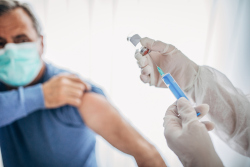
The race to defeat the novel coronavirus took a major leap forward last week when the Food and Drug Administration and the Centers for Disease Control and Prevention authorized the use of the Pfizer COVID-19 vaccine in children 12 to 15 years old.
UF researchers sifted through several thousand studies on human coronaviruses related to the novel SARS-CoV-2 which causes COVID-19, with the goal of learning from the past to help shape the future.
As the new vaccines developed to combat COVID-19 begin to flow into communities around the country, myths and misinformation are coursing through the general population as well.
A national committee that includes a prominent University of Florida physician has recommended to federal and world leaders a four-phase approach to fairly allocate COVID-19 vaccines when they become available.
people, however, soon discover the microscopic invader won’t allow them to return to their normal lives even months after infection. It’s an especially insidious side of the coronavirus that makes vaccination all the more important — COVID-19 as chronic illness.
University of Florida Health researchers are joining an ambitious global effort led by The Rockefeller Foundation to better track the coronavirus and its variants and set up a network of collaborators to stop any nascent pandemic in the future.
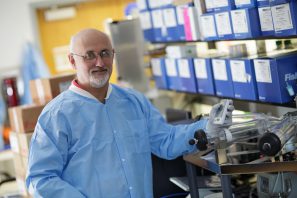
John Lednicky, a virologist and research professor of environmental and global health at the UF’s College of Public Health and Health Professions and the UF Emerging Pathogens Institute, hosted a Reddit Ask Me Anything.
A protein thought to be the novel coronavirus’ entryway into the body could not be detected in the insulin-producing cells of the pancreas in three dozen individuals.