Musical MarvelHow do you capture the sound of the stars? That was the challenge placed before composer Tina Tallon — for the score...
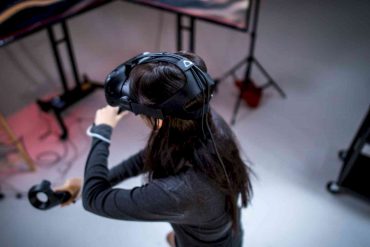
UF developing mixed-reality simulators for training in treatment of injured soldiersA UF team is building and testing mixed-reality simulators for five different medical procedures
UF partners with CIA on improving cybersecurity — UF NewsFrom the shutdown of an oil pipeline to disrupted access to government, business and healthcare system databases, high-profile cyberattacks in...
Process Converts Human Waste Into Rocket FuelUF researchers have figured out how to turn human waste into rocket fuel
Designing Tomorrow, TodayW hen Chimay Anumba became dean of UF’s College of Design, Construction and Planning in Fall 2016, one need was...
Engineering Peak PerformanceI magine every member of the Florida Gators football team wearing a wireless sensor during practices and games that uses...
Extortion Extinction: Putting the brakes on ransomwareA team of UF researchers says it has developed a way to stop ransomware dead in its tracks
Incubating InnovationThe Sid Martin Biotechnology Incubator celebrates two decades of nurturing young companies
UF scientists closer to finding key to converting algae to biofuelUF/IFAS researchers may have found a key to converting algae to fuel