Management professor’s paper wins top prize for insights on building equitable workplaces with AI technologiesR. Perry Frankland Associate Professor of Management and two co-authors won first place at the U Penn Wharton People Analytics Conference.
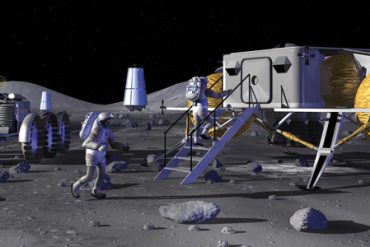
Process Converts Human Waste Into Rocket FuelUF researchers have figured out how to turn human waste into rocket fuel
Designing Tomorrow, TodayW hen Chimay Anumba became dean of UF’s College of Design, Construction and Planning in Fall 2016, one need was...
UF developing mixed-reality simulators for training in treatment of injured soldiersA UF team is building and testing mixed-reality simulators for five different medical procedures
University of Florida to acquire one of the world’s most powerful supercomputersThe University of Florida Board of Trustees today approved investing $24 million to acquire a more advanced version of UF’s...
Soft Matter SolutionsUF ushers in a new age of engineering with a novel technology for 3-D printing the softest objects
Engineering Peak PerformanceI magine every member of the Florida Gators football team wearing a wireless sensor during practices and games that uses...
UF-led group develops new tools to track illicit nuclear materialsA visibly nervous man is stopped at a border crossing in eastern Europe. Authorities find a glass tube filled with...