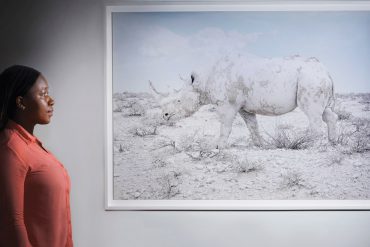
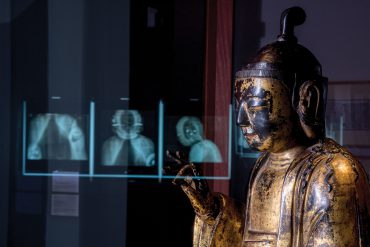
The man who founded the Florida Museum of Natural History more than 100 years ago had a clear purpose: to...
Where, when and how we work may never return to pre-pandemic norms. Artificial intelligence and demographic shifts will reshape our...
Economic benefits from a world of creativity
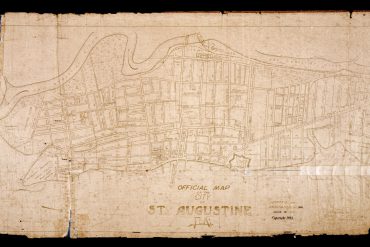
UF archaeologists, historians and preservationists lead the way in bringing the nation’s oldest city to life
Societal changes impact the geography of aging
A new book illustrates the lives of Seminole Indians in the Everglades in the early 20th century
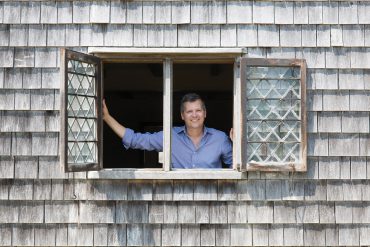
UF students document Nantucket as they learn skills that will help it live on
When University of Florida historian Samuel Proctor and his team of volunteers fanned out across the southeastern United States in...
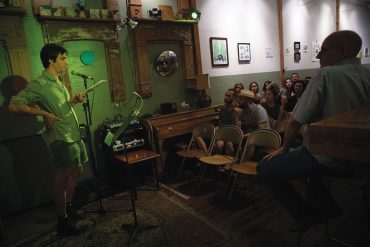
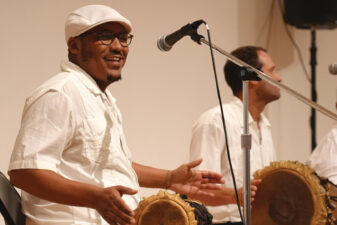
He didn’t plan to return to his hometown, but when engineer, musician and administrator Oṣubi Craig saw the opportunity to...

As Florida’s oldest book publisher, University Press of Florida has evolved over the years from just serving the University of Florida to representing all 12 State University System of Florida institutions today.
Artificial intelligence and computer science researchers say getting machines to do the right thing has turned out to be relatively easy. We program Roombas to vacuum our homes, but don’t expect them to brew our coffee. We program robotic arms to sort parts in factories, but not to decide which colors to paint cars. We program doorbells to tell us who is at the door, but not to let them in. Most of our machines do one thing and do it well, usually in error-free fashion. They get the task right.
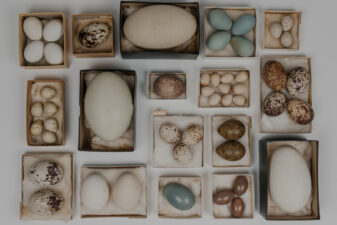
Mining museums for new knowledge