The heavily industrialized and populated regions of Northern Italy, particularly Lombardy, have the highest rates of air pollution in the country. They also have had the country’s highest rates of COVID-19 deaths.
University of Florida economists now have a baseline understanding of ways the pandemic has affected the agriculture, aquaculture and marine sectors of Florida’s economy.
The technique uses a harmless virus to help fight a harmful virus. In this case, the harmless virus is used to package and deliver a gene from SARS-CoV-2, the strain of coronavirus that causes COVID-19. The gene therapy vaccine can’t replicate on its own but is potent enough to trigger a beneficial, antivirus response from the immune system.
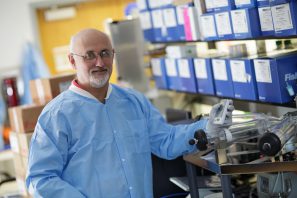
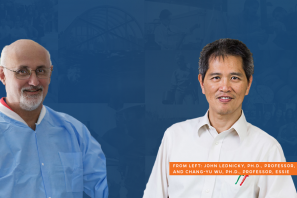
John Lednicky, a virologist and research professor of environmental and global health at the UF’s College of Public Health and Health Professions and the UF Emerging Pathogens Institute, hosted a Reddit Ask Me Anything.
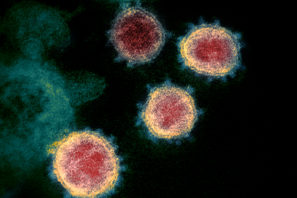
New research from the University of Florida provides strong evidence that aerosol transmission of SARS-CoV-2, the virus that causes COVID-19, may be possible.
A protein thought to be the novel coronavirus’ entryway into the body could not be detected in the insulin-producing cells of the pancreas in three dozen individuals.
UF experts discuss how to engage with older friends and family members during the coronavirus crisis while still adhering to social distancing recommendations.