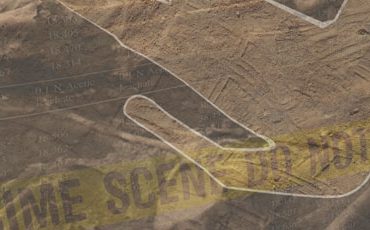
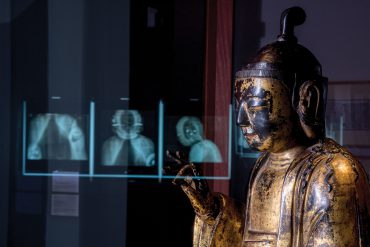
Heating Up Cold CasesUF geologist George Kamenov may be the closest thing investigators have to a database of Earth’s elemental profiles
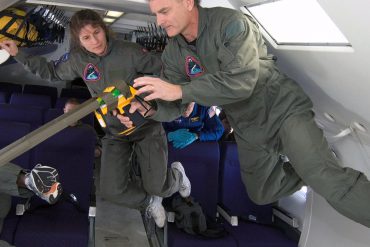
This week, Mars is the hottest news on Earth“The Martian” is giving away a secret: science is really, really cool.
Bridging Music and MedicineOther universities told Xander Boggs he’d have to choose between music and medical school. The University of Florida encouraged him...
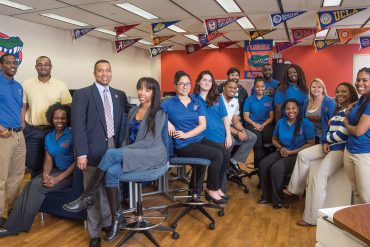
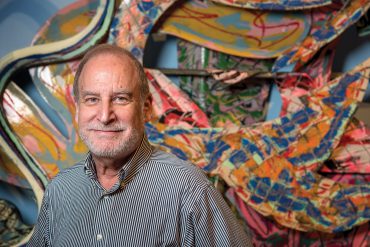
9 Questions with Oşubi CraigHe didn’t plan to return to his hometown, but when engineer, musician and administrator Oṣubi Craig saw the opportunity to...
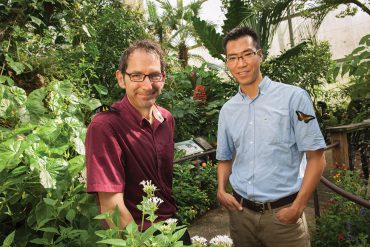
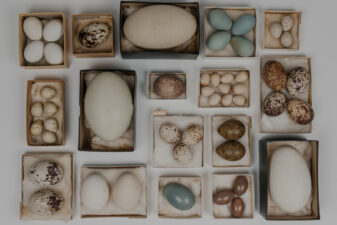
All Things BeautifulThe man who founded the Florida Museum of Natural History more than 100 years ago had a clear purpose: to...
Coffee ConnectionsWriter August Lah used to joke that she spent more than half her day in a coffee house.